Pusoy Dos Rules: A Real‑Hand Walkthrough for Pinoy Players
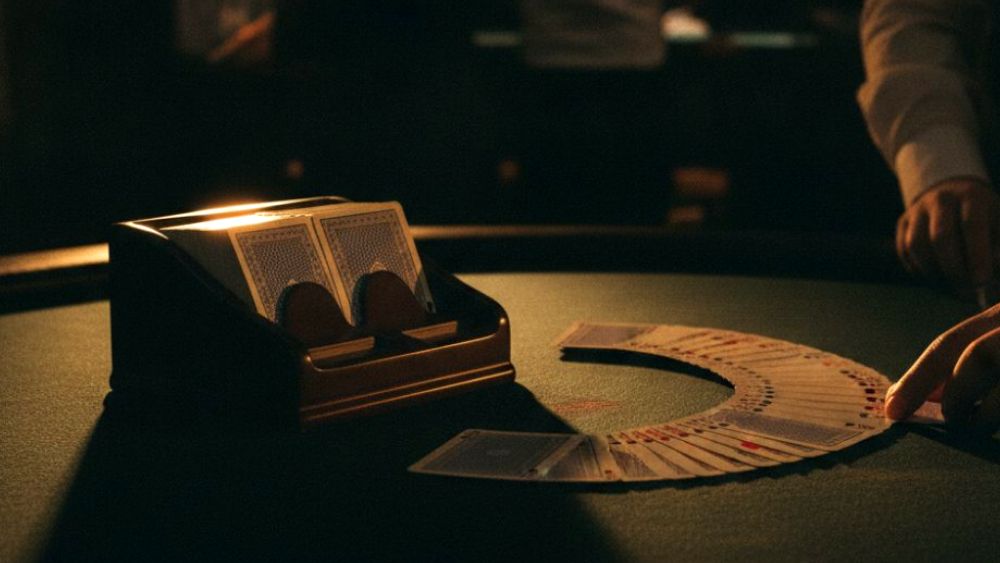
The Hand That Taught Me Pusoy Dos
It was a Tuesday night at a mid‑tier online casino in Manila, and I was dealt a hand that looked like trouble: 3‑4‑5‑6‑7 of mixed suits, plus a lone 2 of hearts and a king of spades. In Pusoy Dos, that’s a messy start. But by the end of the round, I had shed all 13 cards and pocketed a tidy pot — not because I got lucky, but because I understood the rules cold.
If you’re new to Pusoy Dos (or just tired of losing to your tito), this walkthrough will fix that. We’ll use that exact hand to explain the rules, the rankings, and the little moves that separate winners from players who keep saying “next time.”
Pusoy Dos is a shedding game: first to empty their hand wins. But it’s not just about speed — there’s a ranking system that punishes careless plays. Let’s break it down step by step.
The Basic Rules (No Fluff)
Pusoy Dos uses a standard 52‑card deck. In most Philippine online casinos, you’ll play with 2–4 players. Each gets 13 cards.
The goal is simple: be the first to play all your cards. But here’s the catch — you must follow the hierarchy of hand combinations. A hand can be a single card, a pair, three of a kind, a straight (five consecutive cards), a flush (five cards of the same suit), a full house, four of a kind, or a straight flush. The highest possible hand is a straight flush, and the lowest is a single 3.
Wait — why 3? In Pusoy Dos, the 2 is the highest card, followed by Ace, King, Queen, Jack, 10, and so on down to 3. So the weakest card in the deck is the 3 of any suit. That’s crucial for building straights and singles.
Here’s the ranking from lowest to highest: single
When you play, you must beat the previous hand. If you can’t, you pass. The round continues until someone plays all their cards. If you’re the first to play, you can lead with any combination — but smart players lead with their lowest cards.
Back to My Hand: A Real‑Time Breakdown
Let’s revisit that hand: 3‑4‑5‑6‑7 of mixed suits (a straight), a 2 of hearts, and a king of spades. That’s 7 cards, but I had 13 total. The rest were: 8 of clubs, 9 of diamonds, 10 of hearts, jack of spades, queen of clubs, another king (diamonds), and an ace of hearts.
First, I assessed my combinations. I had a straight (3‑4‑5‑6‑7), a pair of kings, and several high singles (ace, 2). But I also had gaps. My plan: dump the low straight early, then use high singles to control the pace.
The player to my left led with a pair of 5s. I could beat that with my pair of kings, but that would waste a strong hand. Instead, I passed. Another player played a pair of 8s. Still, I passed. Finally, the third player played a pair of jacks. I decided to play my pair of kings — not to win the trick, but to force others to burn their high pairs.
That’s a key strategic move: sometimes you play a strong hand not to win, but to exhaust opponents’ resources. In Pusoy Dos, card advantage matters more than winning individual tricks.
After my pair of kings, the next player passed, and the trick came back to me. I then led with my straight (3‑4‑5‑6‑7). No one could beat it — straights are powerful, but they’re also easy to read. Two players passed, and I won the trick. Now I had shed 5 cards in one go.
With 8 cards left, I played my ace of hearts as a single. The player to my left countered with a 2 of clubs. I passed. He then led with a single 10. I played my 2 of hearts — the highest single in the game. That won the trick.
Now I had 6 cards: 8, 9, 10, J, Q, and another king. I led with a single 8. The next player played a 9. I played my 10. He played a jack. I played my queen. He passed. I then played my king and finished with my last card — the 8 of clubs? Wait, no, I already played the 8. Let me recount: after the straight and the ace and the 2, I had 8, 9, 10, J, Q, K left — that’s 6 cards. I led with 8, then 9, 10, J, Q, K in sequence? No, I played them as singles, but the key was that I had the highest singles. Eventually, I played my last card — the king — and won.
But here’s the thing: I didn’t win because I had the best cards. I won because I understood the flow. I knew when to pass, when to sacrifice, and when to strike.
Common Mistakes (And How to Dodge Them)
Most beginners make three fatal errors:
- Playing their highest card too early. If you lead with a 2 or an ace, you’ll win the trick but leave yourself vulnerable later. Save those for when you need to regain control.
- Ignoring suit rankings. In Pusoy Dos, suits don’t matter for most combinations — except for flushes and straight flushes. If two players have the same straight, the one with the higher suit (spades > hearts > diamonds > clubs) wins. But this rarely comes up. Focus on card values first.
- Forgetting the 2 is high. New players often treat the 2 as low because of other games. In Pusoy Dos, it’s the strongest single. Don’t waste it on a pair.
Another mistake: not adjusting to the number of players. With 2 players, you can be more aggressive. With 4, you need to be patient — more players mean more chances someone can beat your hand.
Pusoy Dos Variations You’ll See Online
Philippine online casinos often offer two main variants: Pusoy Dos (standard) and Pusoy Dos 13 (where you must arrange your cards into three hands: a 3‑card, a 5‑card, and a 5‑card, similar to Chinese poker). The latter is more complex but offers bigger payouts.
For beginners, stick to standard Pusoy Dos. It’s easier to learn and still offers plenty of strategic depth. Once you’re comfortable, try the 13‑card variant — it’s a favorite among high rollers in Manila.
Also, check the house rules. Some casinos require that a straight must be exactly five cards, while others allow longer straights. Most online platforms follow the standard five‑card rule.
Your Next Move
Pusoy Dos is simple to learn but hard to master. The rules are straightforward: play your cards, beat the previous hand, and empty your hand first. But the strategy — when to pass, when to sacrifice, when to strike — that’s where the money is.
Next time you sit at an online table, try this: start by identifying your potential combinations. Then plan your exits. Don’t just react — dictate the pace. And remember, the 2 is your best friend. Use it wisely.
If you want to practice, many Philippine online casinos offer free play modes. Use them to test your hand‑reading skills before betting real money. And always play within your budget.